+55 21 3197-4219
Brazil under global spotlight: security unrest shadowing the road to COP3
On the eve of COP30, Brazil faces a stark contradiction: while striving to position itself as a leading voice in global climate governance, the country has been shaken by an unprecedentedly police operation in Rio de Janeiro. The “Operation containment” has reignited criticism of law enforcement methods. Between security imperatives, political tensions, and international pressure, MOVISAFE provides an analytical perspective on this sequence, which reveals the country’s structural vulnerabilities.
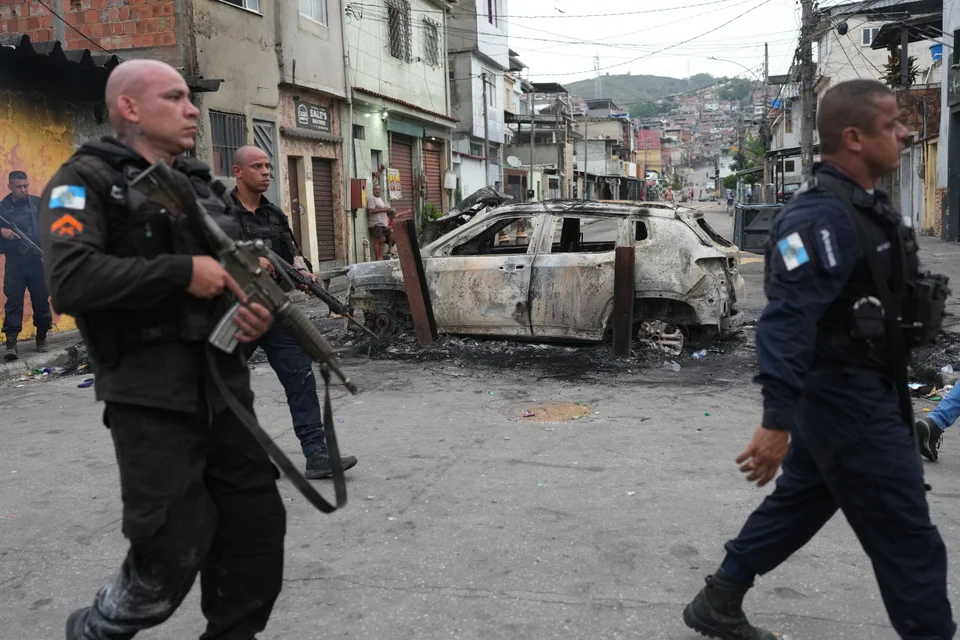
Today, Brazil is being closely observed by the world for two seemingly contradictory yet deeply interconnected events.
As the country prepares to welcome world leaders and nearly 200 delegations to Belém for COP30, the recent police operation in Rio’s favelas has once again revealed the entrenched grip of organized crime, while raising questions about the heavy-handed methods used in the poorest neighborhoods.
On October 28, with nearly 2,500 officers mobilized, the declared objective of the operation was executing hundreds of warrants for the arrest of criminal leaders of Comando Vermelho. These two events — the war on crime and the environmental agenda — may appear unrelated, but both have drawn global attention to Brazil.
A fortunate or unfortunate coincidence for Latin America’s largest nation?
Surprise operation: Rio’s deadliest police massacre
On Tuesday, October 28, Rio de Janeiro, the country’s second most populous city[1], witnessed the deadliest police operation in its history, surpassing the previous record set on May 6, 2021, during the Jacarezinho raid that left 28 dead, also targeting the Comando Vermelho.
[1] São Paulo has a population of 12 million, while the Rio de Janeiro metropolitan area counts 11 million residents (including 6 million within the city limits).
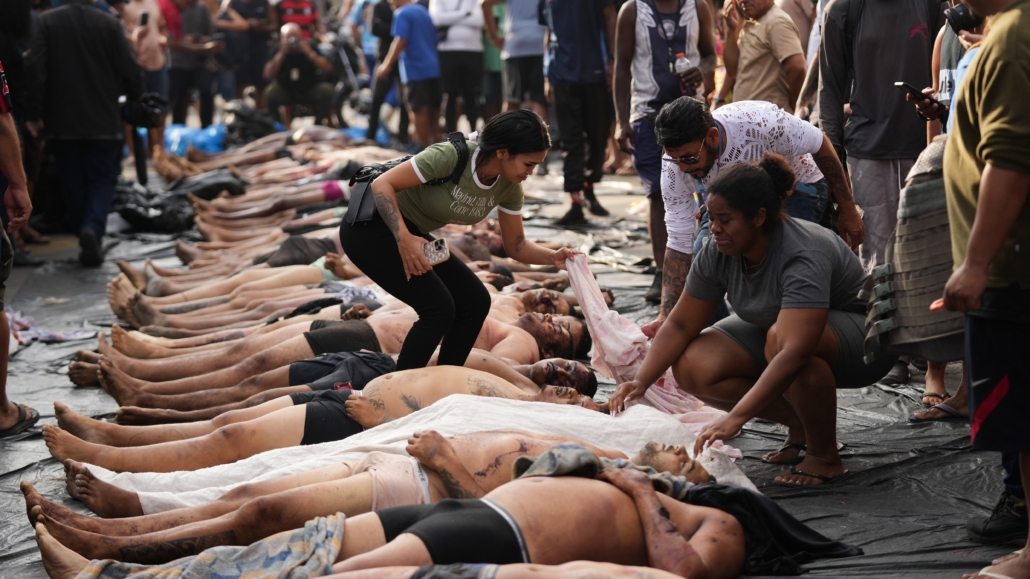
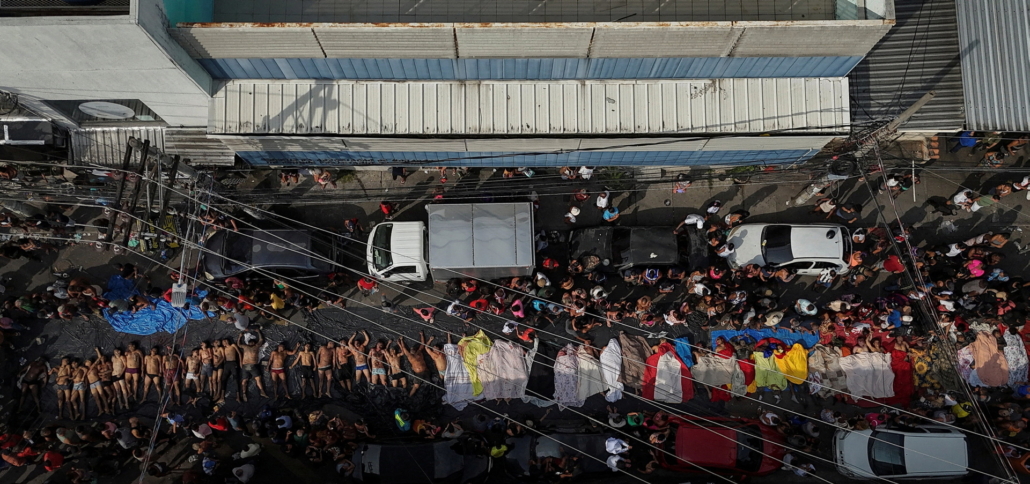
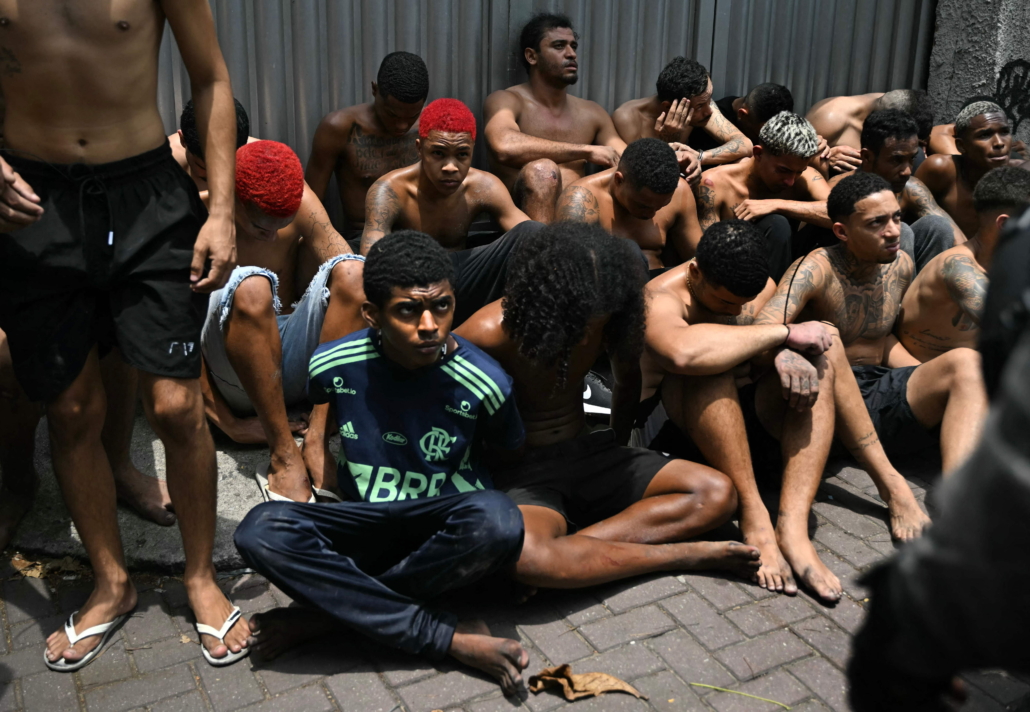
Mobilizing nearly 2,500 officers, the Operation Containment resulted in approximately 130 deaths, including four police officers (two from the military police and two from the BOPE special forces[2]), and led to close to 113 arrests. The operation targeted members of the Comando Vermelho criminal organization, which has been expanding its control over the country and beyond, internationally. One of the most profitable activities for the CV is transporting cocaine produced in Bolivia, Peru, and Paraguay to Europe, Africa, and Asia.
Official numbers differ: the Rio ombudsman reported 132 deaths, while the police listed 121. Most victims were young men, many of them recently recruited with promises of quick wealth.
[2] Batalhão de Operações Policiais Especiais (BOPE), the elite tactical unit of the Military Police of the State of Rio de Janeiro, Brazil.
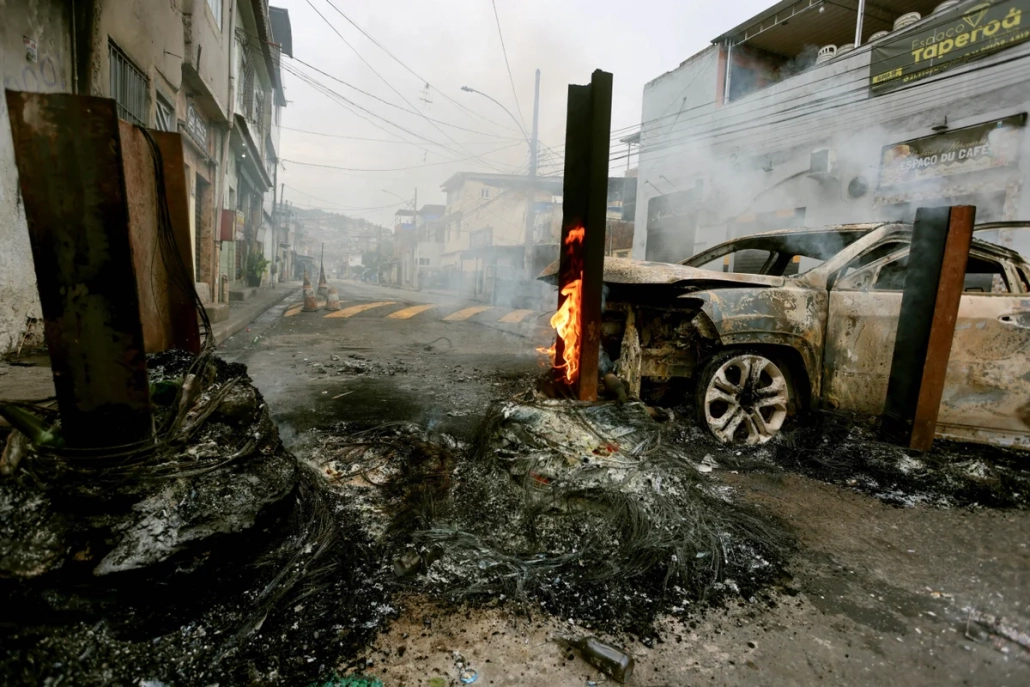
The city was plunged into chaos: members of the Comando Vermelho set up roadblocks at key exit points in retaliation for the killings in the favelas, while Rio’s domestic airport was temporarily shut down for security reasons. Opportunistic crimes such as looting and robberies surged in the downtown area, taking advantage of the widespread panic that pushed many residents to leave work early. Even taxi and motorcycle fares spiked sharply, as individuals sought to profit from the disorder. In the aftermath, residents faced de facto confinement for nearly two days.
The confusion and inconsistent flow of information, particularly to civilians, highlighted the critical role of alert and security systems.
- MOVISAFE’s Movi Alert application provided real-time updates on the unfolding events, offering zone-by-zone safety recommendations thanks to the field expertise and reactivity of its agents.
Similarly, Movi SOS offered emergency solutions to clients facing immediate danger or trapped in areas affected by unrest.
Containing the influence of Comando Vermelho
Planned two months in advance, the operation was launched at dawn to execute around one hundred arrest warrants, followed by an additional 250 warrants issued during the raid, which took place in the Alemão and Penha favelas, long considered the Comando Vermelho’s strongholds.
Founded in Rio de Janeiro, born in Rio’s prisons in the 1970’s, the Comando Vermelho is Brazil’s second most powerful criminal organization, after the Primeiro Comando da Capital (PCC) based in São Paulo.
For years, and through escalating violence, the Comando Vermelho has extended its influence over Rio’s northern neighborhoods, taking advantage according to several analysts of weakened police intervention since the Supreme Court’s ADPF 635 ruling, which restricted lethal police operations in favelas.
Reports suggest that criminals from other Brazilian states and neighboring countries (Venezuela, Paraguay, etc.) have taken refuge in these areas, further complicating control. A growing sense of impunity, combined with easier access to firearms, has fueled the gangs’ expansion.
Heavily armed gangs and the Cult of violence
In reaction to the police’s systematic use of preemptive force, drug traffickers launched grenades at officers using drones, while flaming barricades blocked the main roads. The city witnessed clashes reminiscent of an actual war zone: police officers and traffickers exchanged gunfire, the latter—wearing bulletproof vests—opening fire on law enforcement, who, being better trained, responded with significantly greater firepower, which partly explains the very high number of fatalities.
Police announced a record seizure estimated at $2 million: around 120 firearms (including 93 assault rifles)—almost double the total recorded for the entire month of September in Rio—as well as more than three tons of narcotics, ammunition, and military-grade equipment. Among the weapons were numerous AK-47 and FAL rifles of foreign origin (from Venezuela, Argentina, Peru, Russia, Germany, Belgium…), models typically difficult to obtain legally.
A significant number of ghost guns (unregistered weapons without serial numbers) and locally manufactured homemade firearms were also confiscated, complementing the flow of imported weapons, which mainly come from the United States. These weapons are primarily used in trafficking operations whose profits enable gangs to expand their territorial control.
“We are facing an arsenal typical of a war zone,” said Felipe Curi, Secretary of the Civil Police of Rio de Janeiro.
A highly political moment
Rio’s far-right governor, Cláudio Castro, labeled the gangs “narcoterrorists.” For him, Rio would be in a state of war, and the response would be more a matter of defense than public safety.
Following the discovery of dozens of bodies in nearby forests, Castro declared the operation against the Comando Vermelho a “success except for the loss of four officers,” emphasizing that “only uniformed agents” should be considered victims.
Politically, the operation bolstered Castro’s popularity among conservative voters and on the international stage: media coverage boosted his social media following by over one million in just days. Elected on a hardline public-security platform, he is now seen as a central figure in Rio’s fight against crime and is expected to leverage this momentum ahead of the 2026 elections.
The operation’s extreme lethality fits within a war-like narrative, breaking with the negotiated policing strategies encouraged by ADPF 635. The “shoot first and ask questions afterwards” approach mirrors Donald Trump’s rhetoric, which similarly branded gang members as “narcoterrorists.” Senator Flávio Bolsonaro, son of the former president, even suggested that the United States attack ships transporting drugs via Guanabara Bay, on the coast of Rio de Janeiro.
President Luiz Inácio Lula da Silva, whose response came belatedly, stated that Brazil “cannot accept” organized crime but called for coordinated action that avoids endangering police, children, and innocent families. In line with the traditional positions of the left-wing camp, Lula condemned the operation’s execution, exposing tensions between the state government of Rio and the federal administration.
Young recruits: a reservoir sustaining criminal power
This operation is unlikely to have a significant impact on the hegemony of the Comando Vermelho or other criminal organizations in Rio, given their remarkable ability to regenerate, with an estimated 300 to 370 new recruits each week. Anti-trafficking strategies only alter the internal structure of these organizations when they effectively reduce the influx of new members or directly target their leadership.
Many young people, a large proportion of them minors, are recruited under promises of social status, group belonging, and a life of opulence and impunity.
Social media plays a central role in this process, both in recruiting new members and in fostering emotional engagement with the groups. Numerous videos and edited clips circulated in the aftermath of the operations, showing grieving families and reinforcing a narrative of victimhood and loyalty.
A genuine culture of ostentation has taken hold: some viral posts display motorcycles, cash, firearms, and luxury items, glorifying the criminal lifestyle. Several judicial officials have denounced the lack of oversight on digital platforms, the impunity of those who publish such content, and the urgent need to reform Brazilian legislation in this domain.
At the same time, these materials have become a valuable source of evidence for law enforcement: several images were used to identify and arrest individuals following the October 28 operation. In the days that followed, other profiles shared messages of mourning and vengeance, highlighting the emotional cycle that sustains recruitment and violence within these networks.
National and international reactions
The scale of the bloodshed triggered fierce controversy and condemnation from human rights organizations.
Relatives of Narcos denounced alleged summary executions (decapitated body reported).
Protests erupted in Rio and across the country. Amnesty International and the UN Human Rights Office expressed ‘’horror’’ at the death toll, urging authorities to uphold international standards. UN Secretary-General António Guterres, who is expected to attend COP30, stressed the need for swift and transparent investigations.
Pacification, but at what cost?
The grief of families and the suffering of Rio’s poorest communities were quickly pushed to the background. For many, operations ending in bloodshed are nothing new and they are a recurring tragedy in neighborhoods caught between rival criminal factions and increasingly militarized police.
Rio exemplifies Brazil’s deeper social divide: the gulf between rich and poor widens every year. Poverty and violence remain concentrated in the city’s northern districts, while the affluent, tourist-heavy southern zones remain largely untouched. To reduce the influence of criminal groups in the favelas, the solution lies less in large-scale operations (especially since criminal groups recruit and strengthen their ranks in prison) than in the implementation of preventive policies aimed at reducing the vulnerability of peripheral areas to crime.
The rise of cartels across the country illustrates how crime is directly linked to systemic poverty.
Military intervention alone cannot dismantle the cartels’ parallel economy, lasting change will require public policies built for these communities, not against them. First and foremost, among these are educational and professional proposals to promote reintegration, strengthen public services, and facilitate information sharing between law enforcement agencies.
Yet corruption continues to plague Brazilian institutions, and political paralysis endures amid polarization between Bolsonaro loyalists and Lula supporters.
Ten days later: COP30 in Belém
Meanwhile, international attention shifts to Belém, in the Amazon region, where COP30 will be held from November 10 to 21, 2025 which President Lula has promised will be “the best of all.”
This climate summit, gathering nearly 200 countries, will assess progress under the Paris Agreement and outline the next global steps against climate change. Belém’s location is symbolic: a gateway to the Amazon rainforest: the “lungs of the planet”. The city will also host indigenous delegations and climate justice advocates.
In Rio, several parallel events are scheduled, including the C40 Mayors Summit, the Prince William Earthshot Prize[3], and economic forums on green finance in São Paulo. Tens of thousands of visitors are expected. In anticipation, the federal government has strengthened patrols, conducted security drills, and reinforced protection around COP sites.
The pre-COP context, however, remains tense from geopolitical frictions (the US President’s threats of military action off Venezuela and Colombia’s coasts) to domestic challenges such as Lula’s controversial new oil-drilling authorizations and logistical strains in Belém, particularly regarding accommodation. Despite these tensions, organizers maintain that “everything remains on schedule.”
[3] A kind of “Oscars” for environmental protection.
What comes next?
Nearly all of the October 28 killed were young recruits with no significant role in gang hierarchies. This reinforces the perception that the raid served primarily as a political show of force, a short-term strategy aimed at producing numbers rather than structural reform.
Such high-profile operations have historically preceded major international events hosted by Brazil like the 2016 Olympic Games, the 2024 G20 Summit, and the 2025 BRICS meeting. Many observers wonder whether this latest display of “toughness” was intended to project security ahead of COP30, or if it truly reflected an effective strategy against organized crime.
Moreover, Brazilian media anticipate further violent police operations after the COP, in retaliation for the deaths of the four officers. This assessment is shared by Pascal Gras, whose extensive experience in Latin America and long-standing connections with law enforcement lend significant credibility to his analysis of the region’s security dynamics.
Rio’s governor rapidly announced around 10 more operation like this in the next months.
Contradictions and outlook
Brazil thus finds itself under international scrutiny for its two contrasting faces: a host nation of the United Nations’ leading climate summit as an aspiring ethical and environmental leader and a state grappling with chronic urban violence and social inequality.
The tension between an ambitious environmental message and a persistent domestic human-rights crisis is stark. Images of bodies in the favelas serve as a grim reminder that public security and human dignity remain unresolved challenges for a nation seeking to become South America’s ethical and sustainable leader of tomorrow.