+55 21 3197-4219
Police Operations in Rio de Janeiro: What Companies Need to Understand About the Security Landscape in 2026
In the first months of each year, companies operating in Rio de Janeiro — especially in the capital and metropolitan area — tend to notice a significant increase in police operations across urban areas and communities. This is not a new phenomenon, but it has intensified since late 2025, when the state launched a series of offensives against organized crime.
The so-called Operation Containment, launched in October 2025, marked one of the most intense moments of this movement and became the deadliest police operation in the state’s history. The operation mobilized around 2,500 agents across communities in Penha and Complexo do Alemão, with hundreds of judicial warrants, weapons seizures, and dozens of armed confrontations.
Since then, new operations and developments have recurred frequently — especially at the start of each year, when security forces seek to consolidate territorial control and weaken the logistical structures of organized crime.
For the business sector, understanding this landscape is critical.
Territorial Disputes and Offensives Against Organized Crime
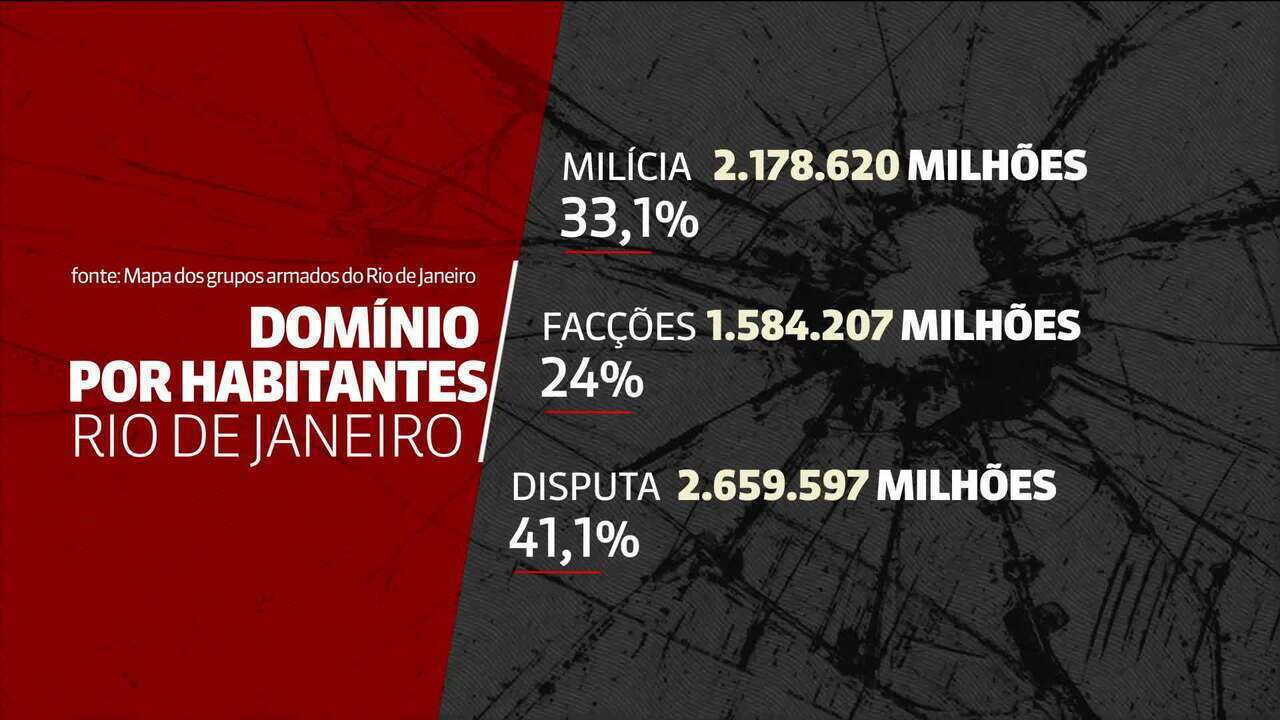
Rio de Janeiro has a unique criminal dynamic. Studies show that millions of residents live in areas under the influence of criminal factions or militias, creating an environment of constant disputes over territory and strategic routes.
These regions are not isolated from the formal city. Many are located near:
- important logistics corridors
- major expressways
- industrial areas
- distribution centers
- airports and ports
The mega-operation of October 2025 took place precisely in areas near the Galeão International Airport and major urban roads, highlighting how these regions hold logistical relevance for criminal organizations.
Another recent factor is the growing sophistication of criminal factions, which have begun using resources such as armed drones, vehicle barricades, and coordinated road blockades during confrontations with police.
This type of scenario turns police operations into broad urban impact events.
How Operations Impact Business Activity
Although the goal of these operations is to combat organized crime, their side effects can directly impact companies and corporate operations.
The main observed effects include:
1. Logistical Disruptions
In retaliation to police operations, criminals frequently block strategic roads.
Following the 2025 mega-operation, for example, buses were hijacked and used to block major avenues, disrupting commutes and freight transport.
This can lead to:
- delivery delays
- disruption of distribution routes
- difficulty accessing operational units
- increased logistics costs
2. Activity Suspension and Employee Displacement
During major confrontations, schools, universities, and public services often suspend operations for safety reasons.
Companies with units near affected areas may face:
- involuntary absenteeism
- inability of employees to commute
- disruption of in-person services
This risk increases during operations carried out in the early morning hours, when a large portion of the workforce is in transit.
3. Reputational and Image Risk
Companies with significant territorial presence in certain regions may end up indirectly associated with the context of violence or territorial disputes.
This occurs mainly in sectors such as:
- logistics
- retail
- telecommunications
- infrastructure
- utilities
In these cases, security crises can generate exposure on social media or in local press.
4. Asset and Team Security
Police operations and armed confrontations increase the risk of:
- stray bullets
- opportunistic looting
- vandalism
- disruption of critical services
Even when there is no direct connection to the company, geographic proximity alone already creates significant risk.
What Companies Need to Monitor
Given this scenario, some risk management practices become essential.
Continuous Territorial Monitoring
Companies need to track:
- police operations in nearby areas
- changes in territorial control
- road blockades or armed conflicts
Today this involves not only news monitoring, but also tracking social media, community apps, and local intelligence.
Security Protocols for Employees
Companies should establish clear protocols, such as:
- alternative commuting routes
- emergency communication with teams
- guidance for sheltering in place during confrontations
Adaptive Logistics Planning
In cities with high operational volatility, supply chains need:
- redundant routes
- flexible delivery windows
- contingency plans
Integration Between Corporate Security and Risk Management
Corporate security is no longer just a patrimonial function. In complex urban environments like Rio de Janeiro, it also acts as strategic intelligence for business continuity.
Conclusion
Large-scale police operations in Rio de Janeiro are part of a state effort to weaken criminal organizations and reclaim territories dominated by factions. However, their effects extend far beyond the realm of public security.
Logistical disruptions, operational risks, and impacts on employee commuting make urban security an increasingly relevant topic for business management.
For companies operating in the city, understanding this environment — and building monitoring and response mechanisms — has moved beyond being a preventive measure and become an essential element of operational resilience.