+55 21 3197-4219
ADPF 635: A protection for Rio’s communities — or a green light for the expansion of organized crime?
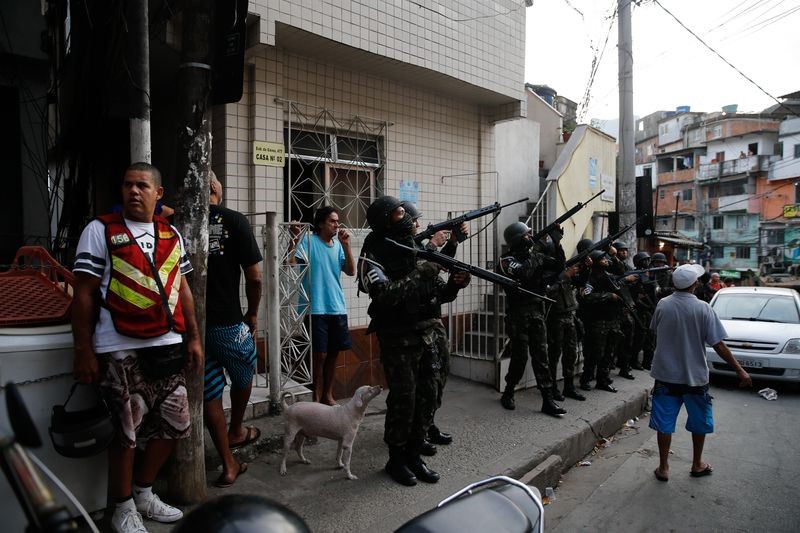
During the COVID-19 pandemic, police operations were widely criticized, particularly due to the health risks they posed. These operations had already faced scrutiny because of the near-constant collateral damage, such as interventions near schools and disruption of commercial activities.
In 2020, the Brazilian Socialist Party (PSB) filed an Arguição de Descumprimento de Preceito Fundamental (ADPF) with the Supreme Federal Court, the country’s highest judicial authority. This constitutional mechanism is designed to prevent or remedy violations of fundamental rights. In this case, the petition invoked: the right to life and physical integrity (Article 5 of the Federal Constitution), the protection of children and adolescents (under the Child and Adolescent Statute), and the State’s duty to guarantee public safety. The action was also supported by several NGOs and favela collectives.
Following this initiative, on June 5, 2020, the STF issued a ruling establishing ADPF 635, which set parameters to limit and guide police actions, especially within Rio de Janeiro’s favelas.
Objectives of the Ruling
1) Reduce lethality and collateral damage during police operations.
2) Protect fundamental rights.
3) Strengthen transparency and external oversight by the Public Prosecutor’s Office.
Key provisions include:
- High-risk operations permitted only under exceptional circumstances, with formal justification.
- Advance notification of operations, when operationally feasible.
- Provision of emergency medical care to reduce post-incident mortality.
- Restrictions on operations near schools and healthcare facilities, except in cases of extreme necessity.
- Recording of operations via cameras, reinforcing accountability.
- Continuous training for police forces to reduce violent practices, alongside psychological support for officers.
After a historic peak in police lethality in 2019, 2020 saw a temporary decrease in deaths during operations in Rio (according to the ISP – Instituto de Segurança Pública) and a reduction in unjustified incidents. Community trust in the police also improved in some areas, albeit modestly.
Although ADPF 635 was initially intended for Rio, its impact has extended beyond legal boundaries, influencing public policy nationwide.
Political dimensions
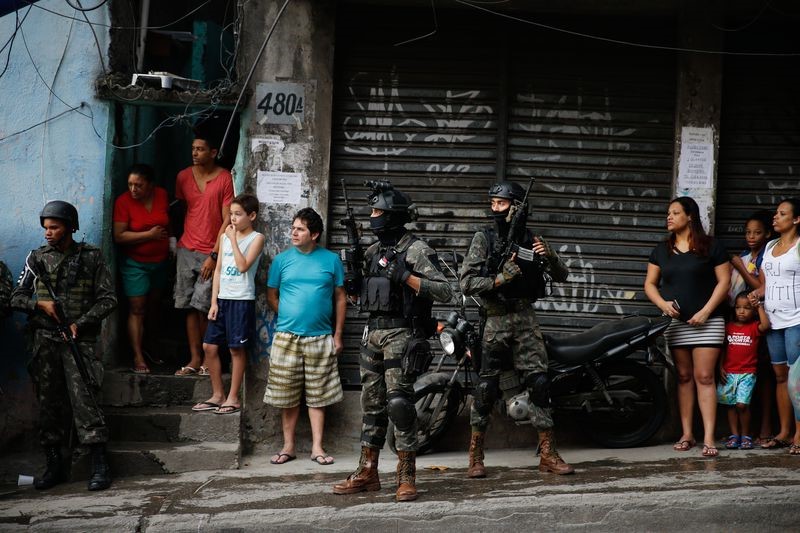
The original intent was to target the financial infrastructure of criminal organizations entrenched in the favelas, seeking more sustainable results. The guiding principle was to enhance coordination between the civil and military police, making their actions more efficient and strategic.
ADPF 635 altered the logic of public security in the state, replacing the principle of ostentation with that of exceptionality. As Victor César Santos, Secretary of Public Security of Rio, emphasized, the focus should be on weakening the economic structures of criminal factions that control the favelas. Publicly, Santos also argued that operations aim to “prevent bloodshed” and “save lives,” countering criticism that they always result in higher lethality.
In Rocinha, for instance, a community of over 80,000 residents, drug trafficking is not the primary source of income. The parallel economy revolves around the monopoly these factions exercise over essential services such as electricity, gas, water, and internet. These activities generate far greater profits than drug trafficking, which carries high risks and costs (import, transport, packaging, sale). This underground flow of capital is entirely outside state control.
Thus, ADPF 635 seeks to promote more strategic, surgical operations, directly targeting the revenue streams of criminal organizations. Previous “occupation” operations might temporarily disrupt drug trade but had no effect on these more stable and lucrative sources of income.
The implementation of the measure has sparked debate. Critics argue that it prompted criminals from other states to seek refuge in Rio, evading arrest. This has allegedly increased the influx of weapons and intensified territorial disputes among factions, raising daily violence in the communities.
Moreover, the requirement for prior notification of some operations has produced a “balloon effect,” with traffickers relocating their activities to evade law enforcement.
The current situation
On September 23, 2025, the Rio Legislative Assembly approved the creation of the “Gratificação Faroeste”, a bonus ranging from 10% to 150% of a police officer’s salary for “neutralizing” a “criminal.”
This new law is seen by some as a financial incentive for lethal policing, while others view it as recognition of the work of security forces. Either way, it challenges ADPF 635, which was designed to reduce police violence.
Once again, public debate is divided between the need to contain crime and the obligation to protect fundamental rights.
It is important to remember that officers are also entitled to due process in administrative and judicial proceedings, ensuring they are not automatically deemed culpable in operations-related incidents.
Given a public opinion shaped by insecurity, the Brazilian state must invest in social dialogue with communities to prevent violence and foster development.
For further reading:
📚 The Favela Wants to Live – Revista Periferias
🔗Supremo Tribunal Federal – ADPF das Favelas
Source: MoviSafe Latin America